Skip to content


The way you arrange your furniture can completely change how your living room looks and feels. Even beautiful furniture can make a room feel cramped when it is placed without considering movement, balance, and the size of the space.
A thoughtful living room furniture arrangement can make the room easier to use, create better conversation areas, and help the space feel more open and comfortable. Whether you have a large open-plan room or a compact living area, these 10 furniture arrangement ideas will help you create a layout that feels practical, balanced, and inviting.
1. Start With a Clear Focal Point
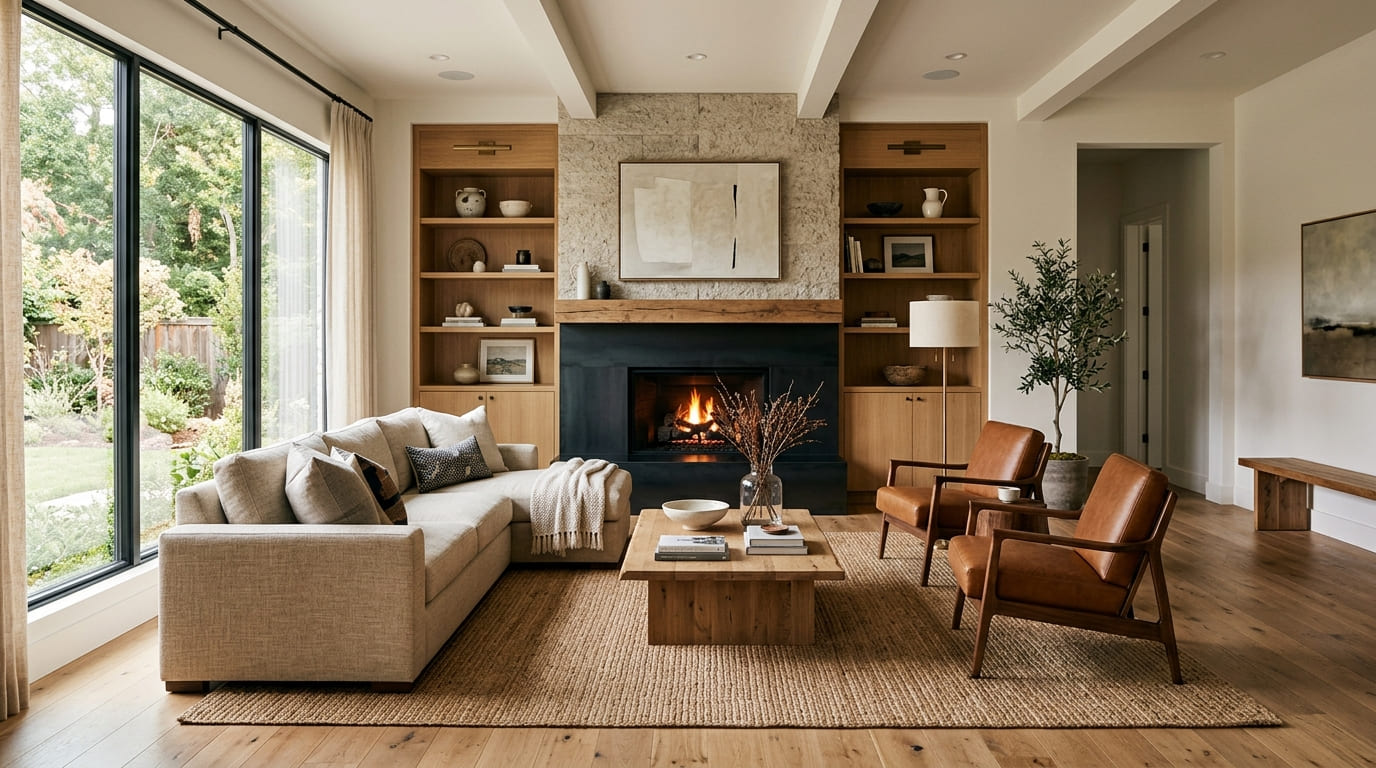
Before moving your sofa or chairs, decide what you want to be the main focus of the room. This could be a fireplace, large window, TV, artwork, or another architectural feature. Once you choose the focal point, arrange the main seating so it naturally faces or connects with it. This prevents the furniture from looking randomly placed and gives the room a clear visual direction.
For example, if your fireplace is the main feature, place the sofa and accent chairs so they face toward it while still allowing people to comfortably talk to each other.
2. Float the Sofa Away From the Wall
Pushing every piece of furniture against the walls may seem like the best way to create more space, but it can sometimes make a living room feel disconnected. If your room allows it, try pulling the sofa slightly away from the wall and creating a defined seating area in the center of the room. This can make the layout feel more intentional and improve the flow around the furniture. In a larger room, floating the sofa can also help divide the living area from another zone, such as a dining or reading area.

3. Create a Conversation Area
A living room should be comfortable for conversation, not just for watching television. Instead of pointing every seat toward the TV, arrange your sofa and chairs so they face one another or sit at comfortable angles. Ideally, people should be able to talk without constantly turning their bodies or raising their voices. A sofa facing two accent chairs is one simple arrangement that works particularly well. In larger rooms, you can also use two sofas facing each other to create a balanced conversation area.

4. Keep Walking Paths Open
A beautiful layout will not work if people have to squeeze between the furniture. When planning your living room furniture arrangement, think about the paths people naturally use to enter, leave, and move through the room. Keep the main routes open instead of placing a coffee table, chair, or large decorative piece directly in the way. Try to create a natural flow around the seating area. You should be able to walk through the room without constantly moving around furniture.This is especially important when working with a smaller space. If you’re decorating a compact room, you may also find our guide to small living room ideas useful for making the most of limited floor space.
5. Center the Coffee Table With the Seating
The coffee table should feel connected to the seating rather than sitting randomly in the middle of the room. Place it in front of the main sofa and make sure it is within comfortable reach from the seats. A table that is too far away can make the seating area feel disconnected, while one that is too close can make movement uncomfortable. The size and shape of the coffee table should also work with your sofa. A rectangular table often works well with a long sofa, while a round table can soften a room with lots of straight lines.

6. Use an Area Rug to Connect the Furniture
An area rug can visually bring separate furniture pieces together and make the seating arrangement feel like one intentional space. Instead of choosing a rug that is only large enough for the coffee table, consider one that extends underneath at least the front legs of the sofa and chairs. This creates a stronger visual connection between the furniture and can make the entire seating area feel more cohesive. If your living room already has a lot of furniture, choose a rug with a simple pattern or subtle texture so the space does not feel visually crowded.
For more guidance on choosing the right size, see our small living room decor ideas guide, which covers rug sizing in more detail.
7. Arrange Furniture Around the TV Without Making It the Only Focus
If your living room is mainly used for watching television, the TV naturally becomes an important part of the layout. However, you don’t necessarily need every piece of furniture to point directly toward it. Position the main sofa toward the TV while keeping additional chairs slightly angled inward. This creates a layout that works for both watching TV and having conversations. You can also make the TV wall part of the overall design instead of allowing the screen to dominate the entire room. Simple wall decor, built-in storage, or balanced shelving can help integrate the TV into the space.

8. Use Two Sofas for a Balanced Layout
If you have enough space, two sofas facing each other can create one of the most balanced living room layouts.This arrangement works especially well in long or rectangular rooms because it gives the space a strong sense of symmetry. Place a coffee table between the sofas and leave enough room behind and around the furniture for comfortable movement.You can soften the symmetrical look with a floor lamp, side tables, plants, or artwork placed around the room.
9. Use Accent Chairs to Fill Awkward Spaces
Empty corners do not always need large furniture.An accent chair can turn an unused corner into a useful reading spot or additional seating area without overwhelming the room. Pair it with a small side table and floor lamp to create a simple functional zone.When choosing the chair, consider the existing furniture. It doesn’t have to perfectly match the sofa, but its color, material, or shape should complement the rest of the room.

10. Make the Layout Fit How You Actually Use the Room
The most important rule is to arrange your furniture around your lifestyle. If you regularly entertain guests, prioritize comfortable conversation areas. If you mainly watch movies, make sure the viewing angle works. If you read, create a comfortable chair near a window or lamp. If children use the room, leave enough open floor space for movement.There is no single perfect living room furniture arrangement for every home. The best layout is one that makes the room easy to move through, comfortable to use, and visually balanced.Before buying new furniture, try moving the pieces you already own. Even a small change in the position of your sofa, coffee table, or chairs can completely change how the room feels.
Common Living Room Furniture Arrangement Mistakes
Lining every seat up to face the TV
This makes conversation difficult and gives the room a one-dimensional feel. Angle at least one seat toward the others instead.
Pushing everything against the walls
This often leaves one large, awkward gap in the center of the room rather than creating more usable space. Floating the sofa slightly can feel more intentional.
Placing the coffee table too far from or too close to the seating
A table that’s out of reach makes the seating area feel disconnected; one that’s too close makes movement uncomfortable. Keep it within easy reach with room to walk around it.
Choosing a rug that’s too small
A rug that only fits under the coffee table doesn’t visually connect the rest of the furniture. Size it to reach at least the front legs of the sofa and chairs.
Ignoring walking paths until after the furniture is placed
Always test the layout by actually walking through the room before deciding it’s final.