Skip to content


The right paint color can completely change how a living room feels. It can make the space appear brighter, warmer, calmer, larger, or more dramatic without changing the furniture. But choosing a color is not only about picking a shade you like. Your room’s natural light, flooring, furniture, ceiling height, and existing decor can all affect how that color looks throughout the day.
If you’re planning to refresh your living room, these living room paint color ideas will help you compare different color directions and understand where each one works best. From warm neutrals and soft beige to earthy greens and deeper dramatic shades, there is an option for almost every decorating style.
1. Warm White for a Bright, Timeless Living Room
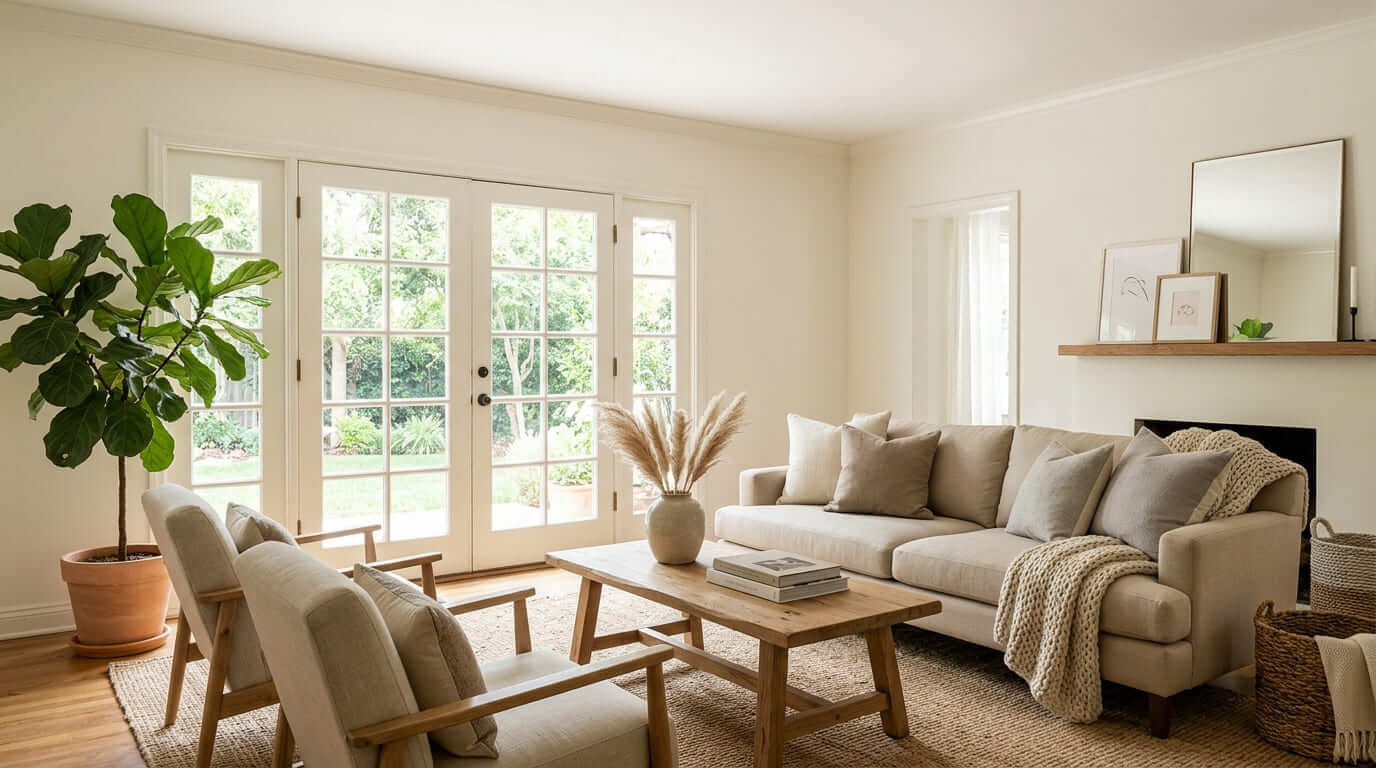
Warm white is one of the most versatile choices for a living room because it keeps the space bright without feeling as stark as a cool, pure white. Look for whites with subtle warm undertones rather than shades that appear icy or blue. These work particularly well with beige furniture, natural wood, woven textures, and cream-colored textiles. Warm white is also useful if you like changing your decor throughout the year because it provides a neutral background for different accent colors.
2. Soft Beige for a Cozy Neutral Look
Soft beige can make a living room feel warmer and more grounded than plain white. It works especially well with cream sofas, brown furniture, natural wood, woven baskets, and warm-colored rugs. If your room already contains several beige or tan pieces, choose a wall color that is slightly lighter or deeper than the furniture instead of trying to match everything exactly. The result is a layered neutral palette rather than a room where every surface looks identical.

3. Greige for a Modern Neutral Palette
Greige combines elements of gray and beige, making it useful when you want a neutral color that feels more contemporary than traditional beige. The exact appearance can change depending on lighting. In a room with warm natural light, greige may appear beige, while cooler lighting can make its gray undertones more noticeable. Pair it with cream, brown, black accents, natural wood, or muted greenery for a balanced modern living room.
4. Sage Green for a Calm, Natural Feel
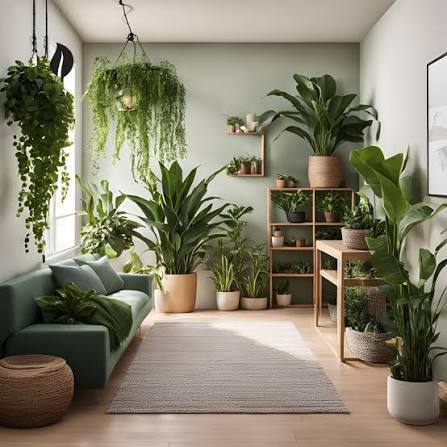
Sage green is a good choice if you want to introduce color without making the living room feel overly bright or saturated. Its muted appearance works naturally with wood, cream, beige, brown, and greenery. It can also create a connection between the interior and outdoor views when the room has large windows. If you are nervous about using color, choose a soft, muted sage rather than a highly saturated green.
5. Dusty Blue for a Calm and Airy Space
Dusty blue can bring a cooler, calming element into a living room while still feeling soft and livable. Muted blue works particularly well with warm white, cream, light wood, beige, and natural textures. The contrast between cool blue walls and warm furniture can make the room feel more balanced. For a subtle result, choose a grayish or dusty blue instead of a highly saturated blue.

6. Terracotta for Warmth and Character
Terracotta can give a living room a warm, earthy personality. Because it is a stronger color than beige or white, it works best when the rest of the room uses relatively simple furnishings. Cream furniture, natural wood, woven textures, and muted artwork can help balance the intensity of the walls. If painting all four walls feels too dramatic, consider using terracotta on one feature wall instead.
7. Olive Green for a Rich Earthy Look
Olive green is deeper and richer than sage, making it useful when you want more visual depth. It pairs naturally with brown leather, warm wood, cream, brass, and natural textiles. Because darker greens can absorb light, check a sample in your actual room before committing to the entire wall. This color can be especially effective in living rooms with plenty of natural light.
8. Charcoal for a Moody Living Room
Charcoal can create a dramatic and sophisticated living room, particularly when balanced with warm lighting and lighter furniture. Instead of making every element dark, combine charcoal walls with cream upholstery, natural wood, warm lamps, and lighter textiles. If you enjoy the mood of a darker room, our Moody Living Room Ideas guide covers this style in more depth.

9. Soft Gray for a Flexible Modern Background
Soft gray can provide a clean background for furniture and artwork without becoming as stark as bright white. Choose a gray with warm or neutral undertones if your goal is a comfortable living room rather than a cool, industrial appearance. Gray walls can work with many different accent colors, making them useful if you like changing cushions, artwork, and accessories over time.
10. Deep Navy for a Dramatic Accent Wall
Deep navy can create a strong focal point without relying on black. Rather than painting every wall, consider using navy on the wall behind the sofa or another architectural feature. Balance it with cream, warm white, light wood, and softer textiles. This approach gives you the visual impact of a darker color while keeping the rest of the room relatively light.

How to Choose the Right Living Room Paint Color Ideas
Before buying several cans of paint, consider the room itself.
Look at Natural Light
A color can look very different in morning, afternoon, and evening light. A shade that looks warm during the day may appear cooler after sunset.
Consider Your Existing Furniture
Look at your sofa, rug, flooring, curtains, and wood finishes before selecting a wall color. The new paint should work with the largest existing pieces first.
Test the Color in Your Actual Room
Paint a sample on the wall and observe it at different times of day. A small sample can reveal undertones that may not be obvious on a color card.
Think About the Mood You Want
Choose warm whites and beige for an easy neutral atmosphere, sage and dusty blue for a calmer feeling, or charcoal and navy when you want more drama.
How Paint Color Works With Living Room Decor
Paint should not be treated as a separate decision from the rest of the room.
For example, if you already have a brown couch, warm white, beige, sage, olive, and muted blue can create different effects without replacing the furniture. For more on decorating around a specific sofa color, see our Brown Couch Living Room Ideas guide.
You can also use artwork, curtains, rugs, and cushions to repeat small amounts of the wall color throughout the room.
Should You Paint All Four Living Room Walls?
Not necessarily — these living room paint color ideas work whether you paint every wall or just one. Painting all four walls the same color creates a cohesive appearance and is usually the simplest approach. However, an accent wall can be useful when you want to introduce a stronger color without making the entire room feel dark. Consider an accent wall behind: the sofa, the television, a fireplace, a reading area, or another architectural feature.
If you use an accent wall, repeat a small amount of that color through pillows, artwork, or accessories so it feels connected to the rest of the room. For additional ideas for the wall itself, our Living Room Wall Decor Ideas guide covers more styling approaches.
Common Living Room Paint Color Mistakes to Avoid
Choosing a Color Only From a Small Swatch
A tiny color card cannot show you exactly how a paint will behave across a large wall.
Ignoring Undertones
Two beige paints can look completely different because one may have yellow, pink, gray, or green undertones.
Forgetting the Existing Flooring
Your floor is a major part of the room’s color palette. Always consider it before choosing the wall color.
Using Too Many Competing Colors
The wall color does not need to introduce another completely different color. Sometimes the best result comes from working with tones already present in the room.
Final Thoughts
The best living room paint color ideas are not necessarily the trendiest shades. The right choice depends on the amount of natural light, your existing furniture, flooring, room size, and the atmosphere you want to create.
Warm white and beige can provide an easy neutral foundation, while sage, dusty blue, terracotta, and olive introduce more personality. If you prefer a dramatic look, charcoal or deep navy can create a strong focal point when balanced with lighter elements.
Before committing to a color, test it in your actual room and look at it throughout the day. A little planning can make the difference between a color that simply looks good on a sample card and one that works beautifully with the entire living room.