Skip to content


Your living room walls can completely change how the space feels. Even when your furniture is already arranged and your sofa and rug are in place, an empty wall can make the room feel unfinished. The good news is that you do not need to fill every wall or spend a lot of money to make the room feel complete.
The key is choosing wall decor that works with the size of your room, your existing furniture, and the overall style you want to create. From oversized artwork and gallery walls to mirrors, shelves, and simple decorative pieces, these living room wall decor ideas can help you give your space more personality without making it feel cluttered.
1. Hang One Large Piece of Artwork — A Simple Living Room Wall Decor Idea
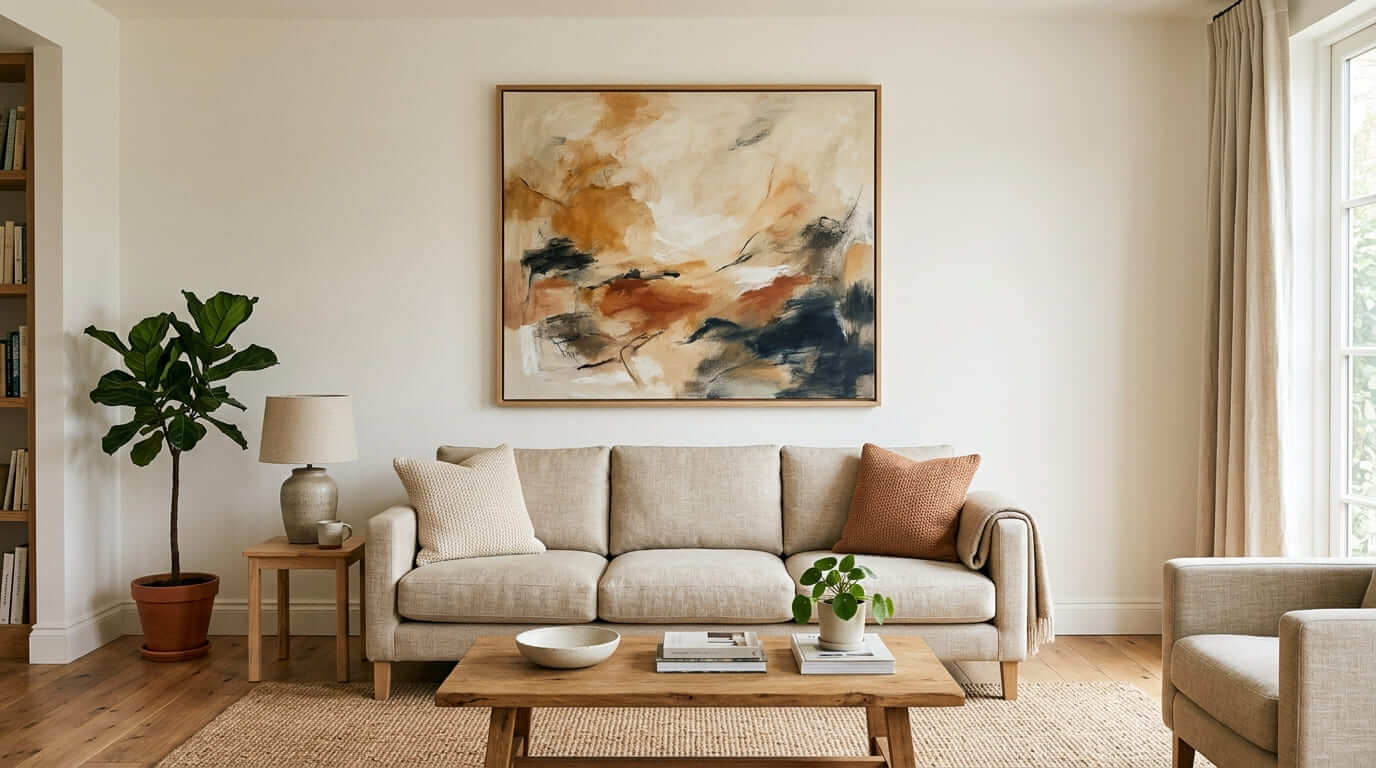
One large piece of artwork can be enough to make a living room wall feel intentional. Instead of covering the wall with several small decorations, choose one artwork that has enough visual weight to balance the sofa or main furniture underneath it. Abstract artwork, landscapes, botanical prints, or simple modern paintings can all work depending on the style of your room.
Pay attention to proportion. A very small picture above a large sofa can look disconnected, while an oversized piece can create a stronger focal point. Choose colors that already appear somewhere in the room, such as the rug, cushions, curtains, or furniture. This creates a more connected look without making everything match perfectly.
2. Create a Balanced Gallery Wall
If one artwork feels too simple, a gallery wall can bring more personality to your living room. You can combine framed artwork, photography, illustrations, botanical prints, or other meaningful pieces. The important part is creating some visual connection between the different frames. One easy approach is to use the same frame color throughout the arrangement. Another option is to mix different frames while keeping the artwork within a similar color palette. Before putting anything on the wall, arrange the frames on the floor first. This lets you experiment with spacing and composition before making holes in the wall. A gallery wall works particularly well above a sofa, console table, or other large piece of furniture.

3. Use a Large Mirror to Add Light and Depth
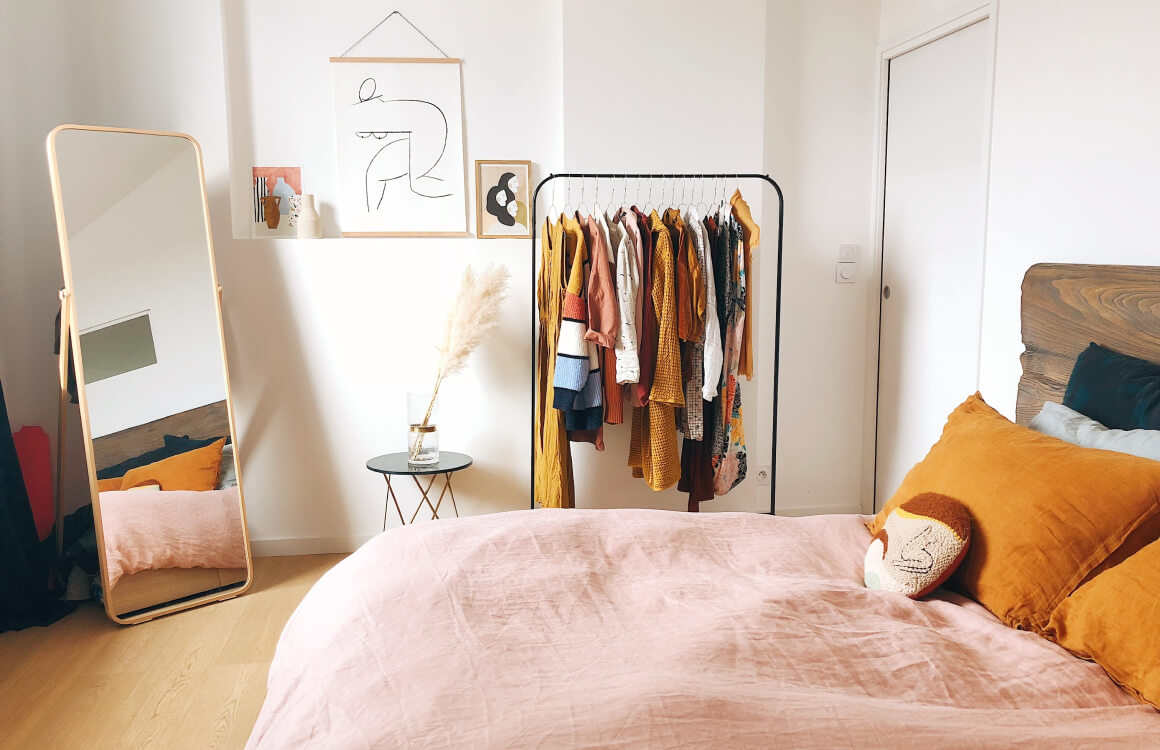
A mirror is both decorative and practical, which makes it one of the most useful living room wall decor ideas. A large mirror can reflect natural light and make the room feel more open. This can be especially helpful when the wall is opposite a window or another bright part of the room, and it pairs particularly well with ideas for making a small living room feel more open.
Try an arched mirror for a softer look, a rectangular mirror for a more structured space, or a round mirror if you want to introduce a different shape. The frame matters too. Wood can add warmth, while black or metal frames can create a more modern appearance. Instead of placing a mirror randomly on an empty wall, think about what it will reflect. A pleasant view, window, artwork, or attractive part of the room can make the reflection feel intentional.

4. Add Floating Shelves for Decor and Storage
Floating shelves can turn an empty wall into a useful display area without making the room feel overly decorated. Use them to display books, small plants, framed photographs, candles, pottery, or other objects that reflect your style. You do not need to fill every inch of the shelves. Leave some empty space between objects so the arrangement can breathe. Mixing objects of different heights also creates a more natural composition. For a cleaner appearance, repeat one or two colors from the rest of the room. For example, a beige room could use warm wood shelves with cream pottery and green plants. If you already have plenty of furniture and storage, keep the shelves simple rather than adding too many objects.
5. Try a Large Statement Print
Sometimes the simplest wall needs only one strong visual element. A large statement print can introduce color, pattern, or personality without requiring an entire gallery wall. Look for artwork that has a clear focal point and complements the existing room rather than competing with it. For example, a botanical print can soften a neutral living room, while an abstract print with darker tones can add contrast to lighter furniture. Think about the mood you want to create before choosing the artwork. The wall should support the atmosphere of the room rather than simply fill an empty space.
6. Decorate Around the Television
The television is often one of the largest visual elements in a living room, so the wall around it deserves some attention. Instead of treating the TV as an isolated black rectangle, create a balanced arrangement around it. Depending on your space, you could use wood paneling, floating shelves, simple artwork, cabinets, or a low media console.
Keep the area visually calm. Too many decorative objects around the television can make the wall feel busy. The goal is to make the television feel like part of the overall room rather than the only thing your eye notices — and it works best when paired with arranging your seating around the TV in a way that keeps the room balanced.

7. Use a Console Table With Wall Decor Above It
If you have an empty wall behind a console table, use the two elements together rather than decorating the wall separately. A mirror, large artwork, or small gallery arrangement can work well above the console. Then add a few carefully selected objects on the table itself. For example, you could combine a table lamp, a small vase, and a stack of books. Keeping the tabletop relatively simple allows the wall decoration to remain the main focus. This approach works particularly well on walls near entrances or behind a sofa where a full furniture arrangement may not be practical.
8. Bring Nature to the Wall With Botanical Decor
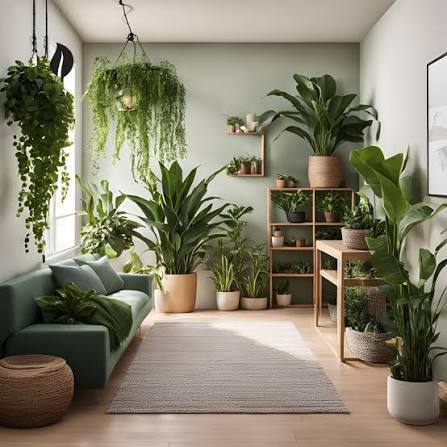
Botanical artwork can add softness and a natural feeling to a living room without requiring a major redesign. You can use framed botanical prints, leaf illustrations, nature photography, or artwork inspired by landscapes. Green tones can work especially well with beige, cream, brown, and natural wood. If you already have real plants in the room, botanical wall art can help connect the greenery with the rest of the decor. Keep the arrangement simple if the room already contains a lot of patterns or decorative objects.

9. Add Texture With Woven or Natural Wall Decor
Wall decor does not always have to be framed artwork. Woven wall hangings, textured baskets, natural fiber pieces, and other three-dimensional decorations can add warmth and texture to a living room. This works particularly well when the room already uses natural materials such as wood, linen, rattan, or jute. The texture becomes especially noticeable against a plain painted wall, giving the room more visual depth without introducing lots of color. Choose one larger textured piece or create a small balanced arrangement rather than covering the entire wall.
10. Keep It Simple With Minimal Living Room Wall Decor
You do not have to decorate every empty section of wall. Sometimes a single artwork, mirror, or small arrangement can make a room feel finished while keeping the overall space calm. This is particularly useful if your living room already has a patterned rug, colorful cushions, statement furniture, or several decorative accessories.
Instead of asking, “What can I put on this empty wall?” ask, “What does this wall actually need?” This same principle applies throughout the room — keeping your decor intentional rather than cluttered usually makes more of a difference than adding more objects. Leaving some negative space can make the decor you already have feel more intentional.

How to Choose the Right Wall Decor for Your Living Room
The best wall decor depends on what your room already has. If your furniture is simple, you may have more freedom to use a gallery wall or bold artwork. If your furniture and textiles already contain strong patterns, a simple mirror or large neutral artwork may create better balance. Also consider the size of the wall. A large empty wall usually needs something with enough visual weight, while a narrow wall may work better with a vertical mirror or smaller artwork. Most importantly, avoid decorating simply because a wall is empty. Every piece should have a reason to be there.